Write a restart note for a paused project
Do not make your future self reconstruct the pauseA project is harder to restart when the last useful context lives only in your head. Leave a five-part note while you still remember the decisions, loose ends, and next foothold. It works for a solo project, a handoff, or anything you may not open again for a while.
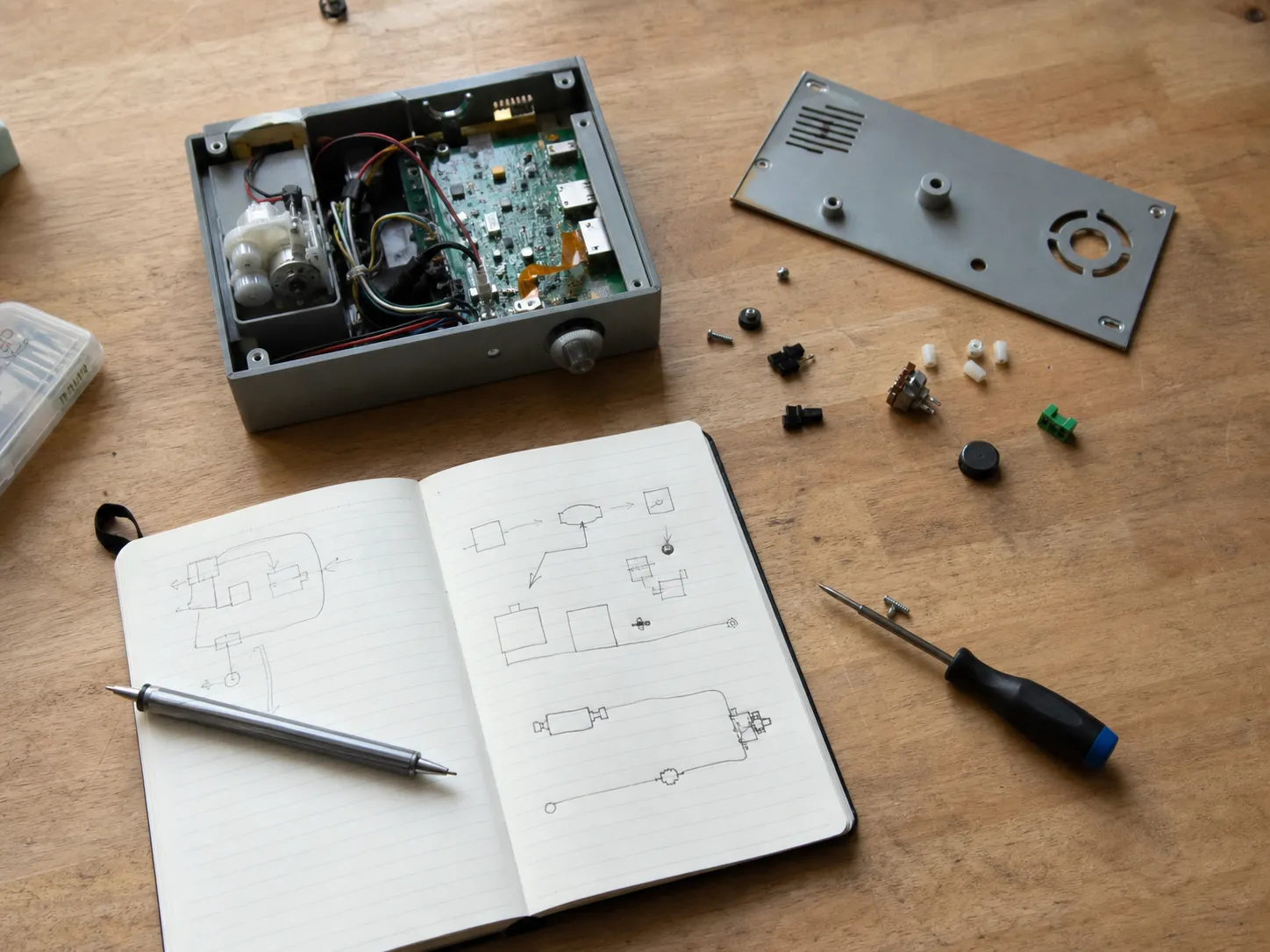
Step 1
Where the work actually stopped
Name the last completed action and the exact place you paused. Point to the file, object, draft, or conversation. Avoid broad summaries that force the next person to search through everything again.
Step 2
What is already decided
List the decisions that should not be reopened without a reason. Add a short why for each one, especially if the chosen path looks less obvious than an alternative. This protects the project from circling old ground.
Step 3
What is still uncertain
Separate open questions from unfinished tasks. For each question, note what evidence would settle it or who may know. An honest unknown is a better restart point than a guess disguised as a decision.
Step 4
The first 15-minute move
Choose one action small enough to begin without another planning session: reopen a named file, run one test, lay out the materials, or send one question. Write it as a visible action, not 'get back into the project.'
Step 5
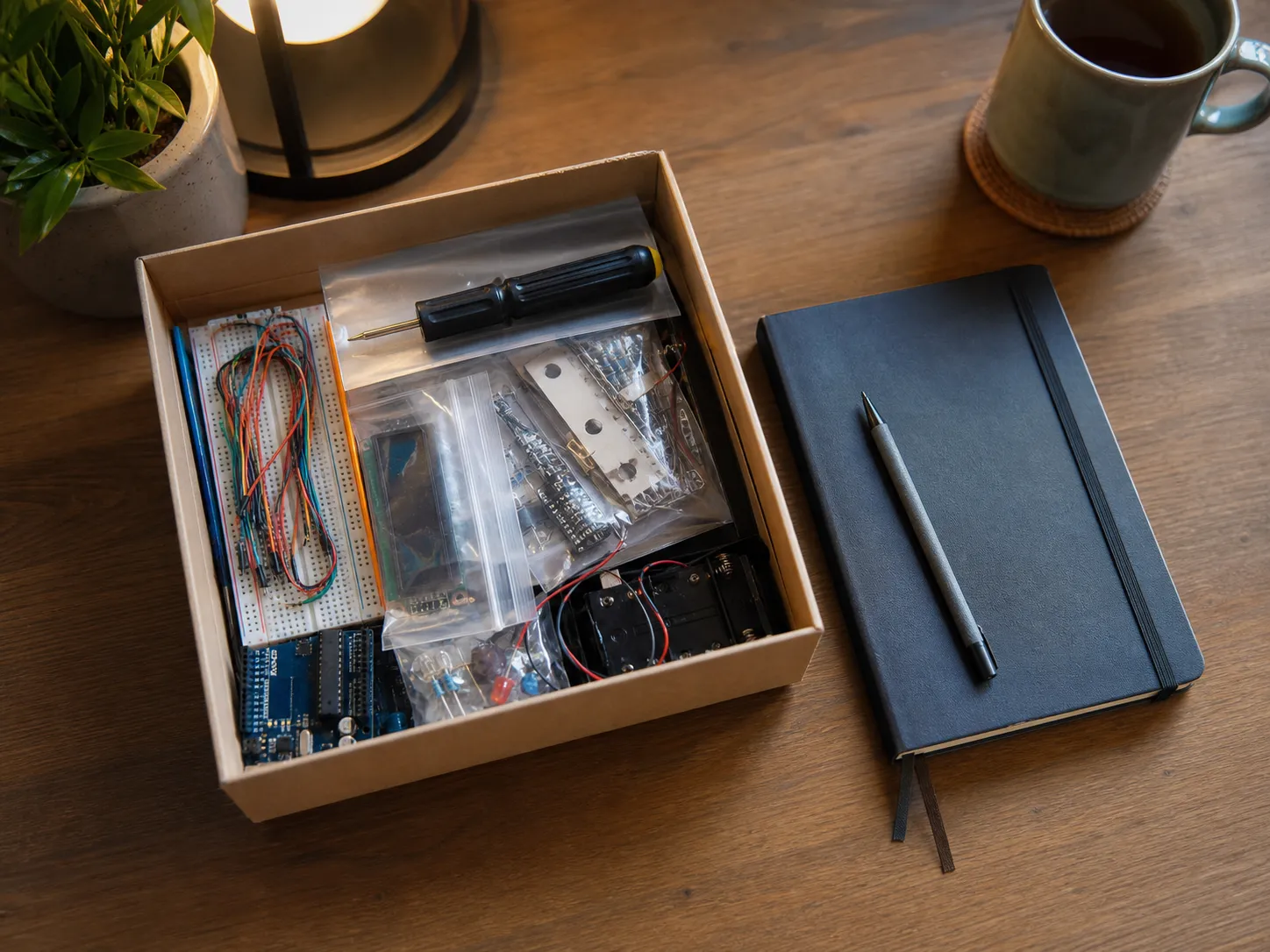 The cue that brings the project back
Set a real restart trigger: a calendar point, an incoming answer, a cleared workspace, or another condition you can recognize. Put the note on top of the project and send it to anyone sharing the work. When you return, update the note instead of starting a second trail.
The cue that brings the project back
Set a real restart trigger: a calendar point, an incoming answer, a cleared workspace, or another condition you can recognize. Put the note on top of the project and send it to anyone sharing the work. When you return, update the note instead of starting a second trail.
The cue that brings the project back
Set a real restart trigger: a calendar point, an incoming answer, a cleared workspace, or another condition you can recognize. Put the note on top of the project and send it to anyone sharing the work. When you return, update the note instead of starting a second trail.
Put what you know, your stories, or your favorite things into cards. Share them with a link anyone can open, no account needed.
Start on Stepzu